At the moment of secondary ignition and starting of internal combustion engine vehicles, various structures begin to wear out. Car muffler manufacturers tell you that various components and consumables, including oil, need to be replaced after each mileage of driving. What about electric cars? Due to its different structure from diesel locomotives, there is not much difference in some places.
Electric vehicles do not have engines and transmissions, and their maintenance burden is lower than that of internal combustion engines.
There is a "cloud mud" difference between electric vehicles and internal combustion engine vehicles equipped with engines. Unlike internal combustion engine cars that rely on burning fossil fuels to provide power, electric vehicles rely on the stored electrical energy in the battery to drive the motor to rotate. Based on this difference, driving an electric vehicle is completely different from before. Unlike internal combustion engine cars, it doesn't have to worry about its parts at all, and there are also areas that need special attention.
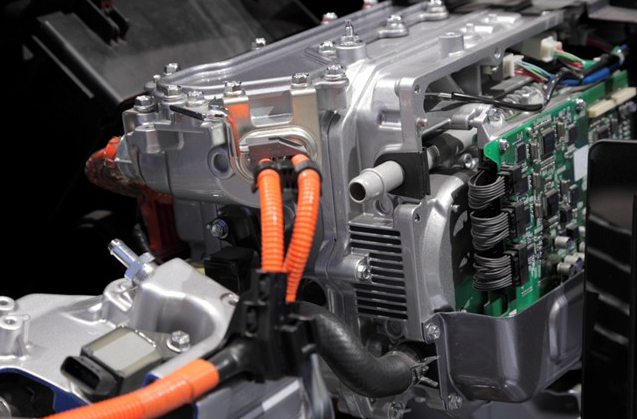
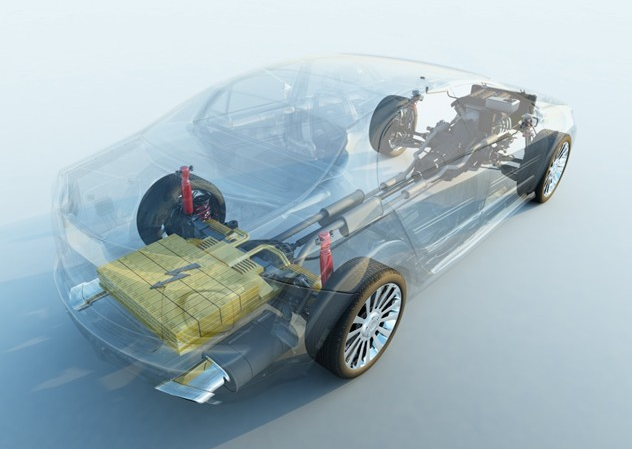
Electric vehicles have fewer components. A diesel locomotive typically requires 20000 to 30000 parts. By comparison, electric vehicles only have over 10000 parts and may further reduce to around 7000 in the future. The engine, transmission, and even components related to fuel supply, intake, and exhaust, such as pistons, valves, and gears, are not needed. Generally speaking, in addition to batteries and electric motors, only parts related to transmission, braking, and climate control are needed, and the factors that require maintenance and replacement will naturally be greatly reduced.
If various types of engine oil are not replaced according to a certain mileage, internal combustion engine vehicles will experience functional failures. However, electric vehicles do not have engine oil or gear oil at all, so there is no need to consider replacement issues. Electric vehicles also require braking, but the frequency of braking is lower than that of internal combustion locomotives, as regenerative braking can be used during deceleration and parking. That is to say, electric vehicles do not require frequent replacement of brake fluid and brake pads.
The car muffler company has learned that the operation of electric vehicles relies on the electricity stored in the battery to drive the motor to rotate, rather than fuel and engine.
Electric vehicles do not have radiators or require coolant, making maintenance simple. However, in winter, the lack of an engine becomes a disadvantage. It uses the heat generated by the engine to blow hot air into the car, but electric vehicles, like electric heaters, require additional energy to generate heat. In winter, batteries consume a large amount of electricity, thereby reducing the driving range. If the battery level drops during a long journey, the heater must be turned off and the pain must be endured in the cold and anxiety. Winter is not very good for electric vehicle drivers.
However, the noise of electric vehicles is very low, or even completely silent, which alone is enough to make people's hearts race. No matter how much the engine wants sound insulation, it can only tolerate the noise of the engine. In addition, the older the model, the larger the gap between the engine parts, and the older the car muffler, the louder the noise generated. From this perspective, the maintenance and repair costs of electric vehicles are relatively low.
Brakes and tires are still important in electric vehicles.
How is the tread? As for tires, whether it is a diesel locomotive or an electric vehicle, the replacement cycle is similar. The importance of tires is not excessive for any car, but considering that electric vehicles are usually heavier than internal combustion engine cars, and that electric motors can provide high torque from the beginning. Jinhu Tire has developed many tires with low rolling resistance, low noise, and good wear resistance, such as the 2014 Korean electric vehicle tire "WATTRUN". Jinhu WATTRUNVS31 has won the official award of the 2018 German Red Dot Design Award, and its technical and design level goes without saying.
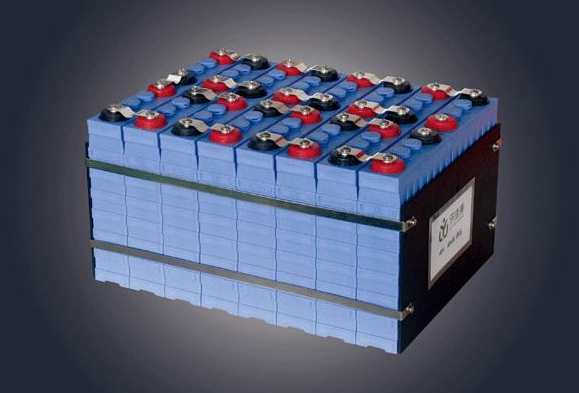
In fact, it can also be said that the performance of batteries is comparable to that of electric vehicles, so it is important to keep the batteries in good condition and extend their lifespan. The battery management system (BMS) installed on electric vehicles can control risks such as overcharging, and the performance and lifespan of the battery also depend on the maintenance of the vehicle (including driving and charging). Car owners still need to manage it carefully.
The step to maintaining electric vehicle batteries is to regularly charge them.
Charge your battery regularly to extend its lifespan. Your car cannot start until there is a complete power outage. If the battery is used up, do not stay there for a long time. Because the longer the discharge time, the worse the performance of the battery. Another battery that is very sensitive to external temperature, and another way to extend battery life is to park the electric vehicle at a suitable temperature, avoiding temperatures that are too high or too low.